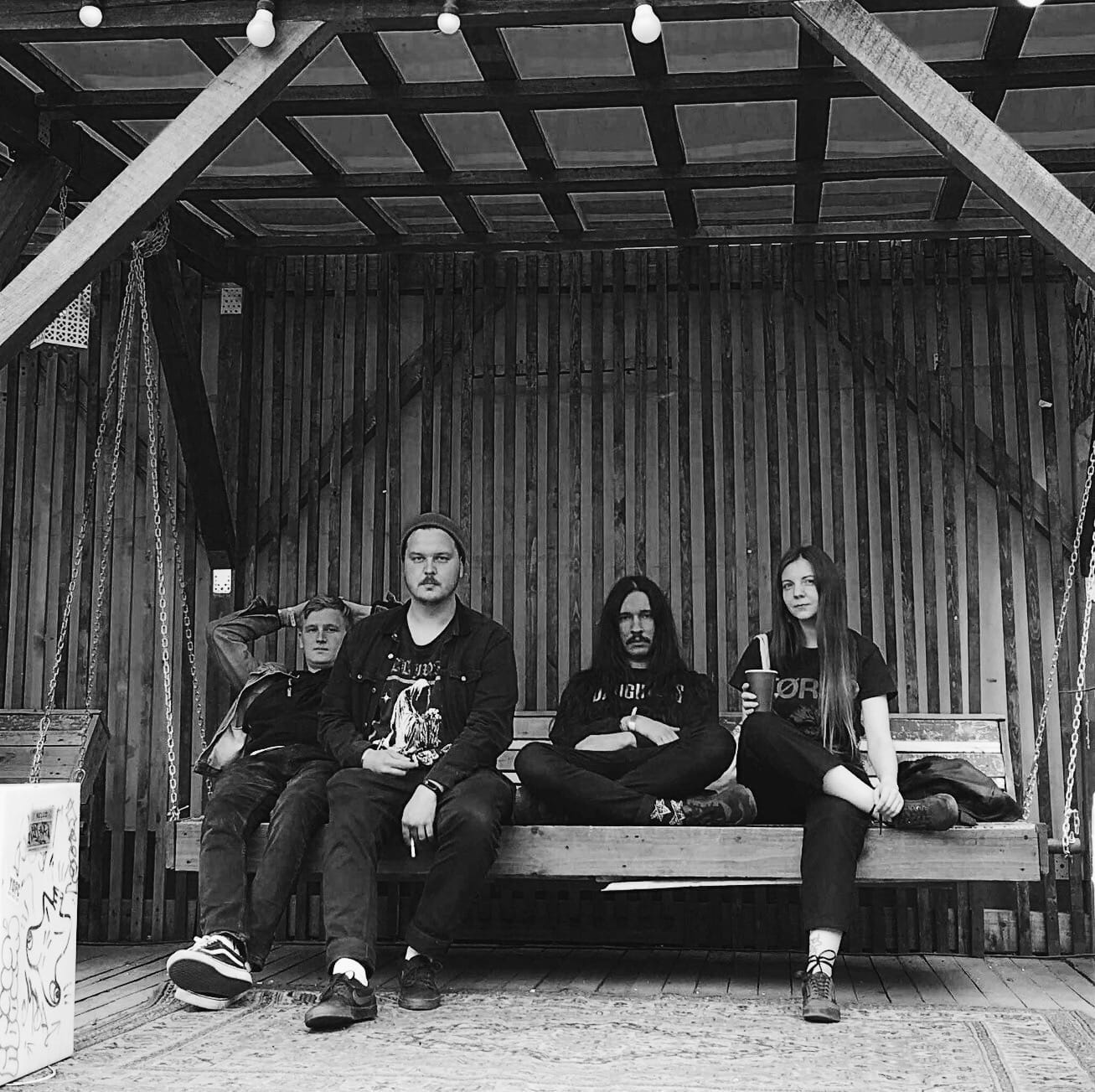
FRAIL BODYIllinois, USA
“Learn to be uncomfortable”
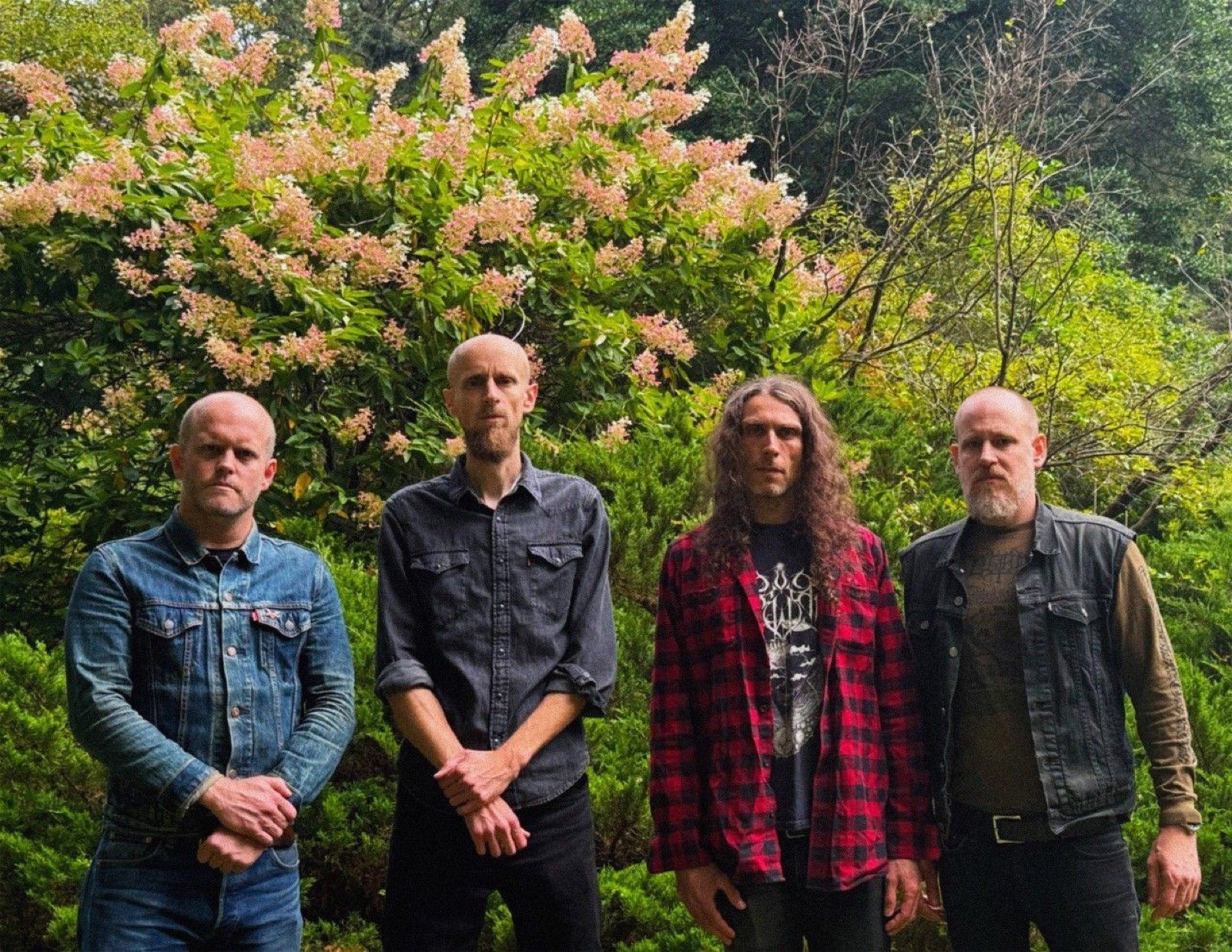
To describe Frail Body, I’d give two answers. The short one: they’re three guys opening black holes with their music. The slightly longer one: Frail Body is a trio hailing from Illinois, delivers a dynamic blend of screamo, post-hardcore, and other extreme genres. As they prepare for their upcoming show with their latest album “Artificial Bouquet,” we sat down with Lowell Shaffer (guitars, vocals) and Nik Kuczynski (bass) to discuss their rapid rise in the burgeoning screamo scene. In our conversation, they shared insights about life on the road, wild tour stories, and their commitment to creating honest music in 2024.
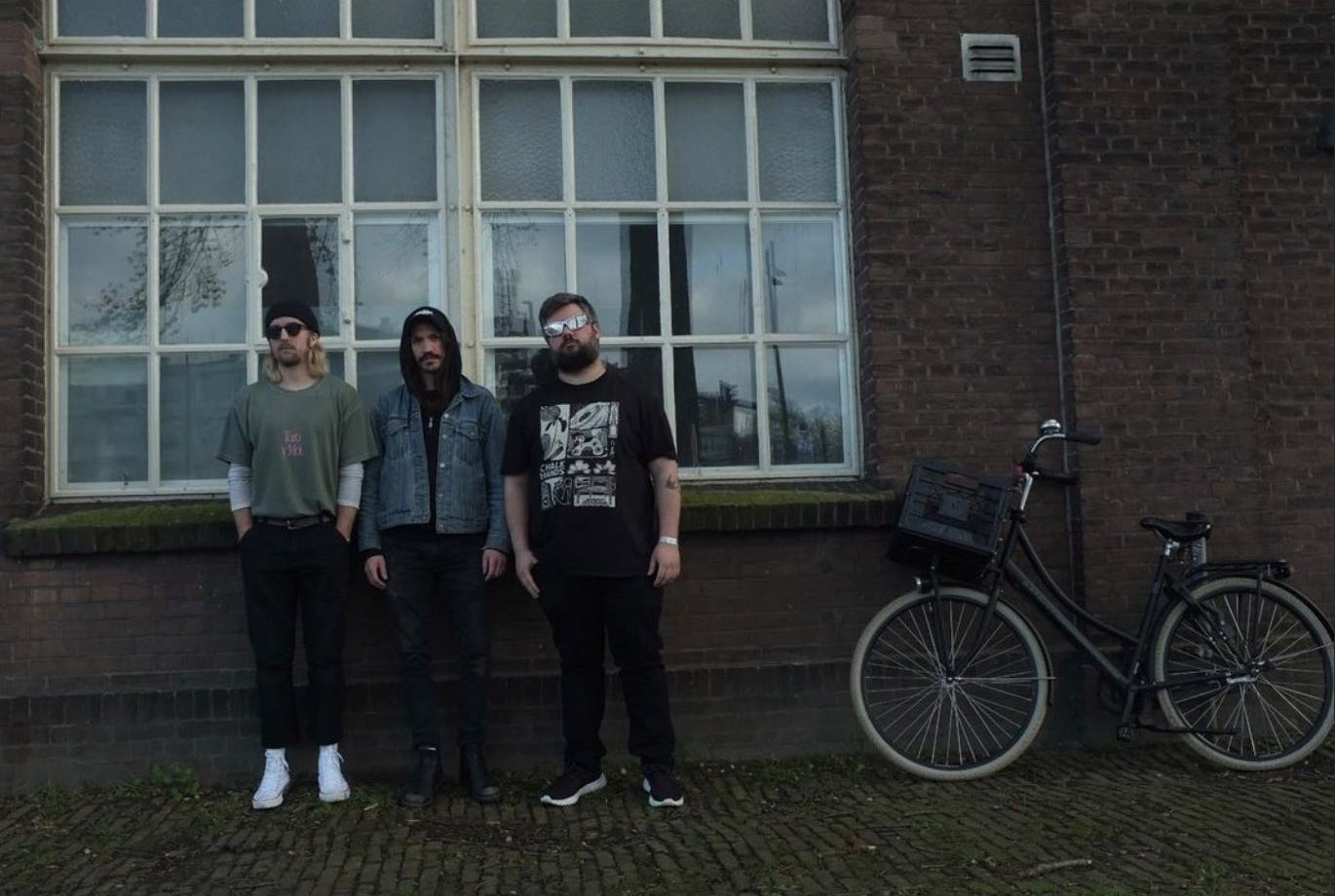
Q What do you listen to in a van on this tour?
Nik: This tour, our photographer Ging has been playing a lot of the music, so I think we’re sick of hearing the same records we always play. My go-to is a lot of times if we’re doing night drives, it’ll be like Bright Eyes or something on the calmer side like that.
Lowell: Yeah, I kind of don’t pick the music when I’m in the van because I like to hear what everyone else is listening to. Usually I listen to everything, so whatever anybody else puts on, I’m cool. If it’s something that I don’t know, then I’m probably going to learn about it and enjoy it. If it’s something that I do, then I’m stoked. The Ging have been playing a lot of 2000s, like, post hardcore. Underoath, The Chariot, things like that, which is cool because we grew up on that kind of stuff, so it’s familiar, and we have lots of fond memories with those records.
Nik: We do a lot of podcasts listening to. We’ve been stuck on Last Podcast On The Left for a while.
Lowell: Dan Carlin’s “Hardcore History”. I listen to Lions Led by Donkeys. It’s another historical podcast about military blunders and stuff like that, so sometimes it breaks up the constant music every moment.
Q Do you have some other forms of entertainment on tour?
Lowell: We watch football on the road sometimes, I am Packers fan, Nicholas is Vikings fan, we do that during football season which is very fun.
Nik: I just like watching them fight. Last tour we watched all the essential Star Wars stuff, cause our drummer never saw them.
Lowell: Yeah, we showed him Star Wars, cause it is meant for a big screen and it looks funny on this dashboard. We bring books with us, I guess it’s nice to have a book around in the morning when you need some time with yourself.
Q Fiction or documentary?
Lowell: Both, the last book that I read and finished on the road was Asimov’s “I, Robot”, which I liked very much. I also got a gift from our friend Torey [Kervick] called “Out of the Basement”, who animated our Horizon Line music video. It’s a book about the history of the punk scene and the place that we’re from, from Rockford, Illinois. It’s part of a series of music history books, and it’s really cool.
Q You sound like you’re very social between yourself in the band. During the road, are you having a me time?
Nik: Yeah, if you’re around someone 24/7, you definitely want to be able to chill out.
Lowell: Yeah, these guys usually sleep in a lot longer. I usually wake up very early, so I let them sleep. I’m not going to bug them for a couple of hours. I’ll walk around wherever with my camera, take pictures, like I was saying, reading outside or something like that. I also have to answer emails in the morning, so that becomes my me time, sitting at the laptop. In our cafe or something like that. But yeah, yeah, we hang out quite a bit though. Yeah, it’s mostly that.
Nik: Yeah, I’ve been in a band together for seven years, so I hang out all the time with my bros.
I feel like you’re not living reality as much. It’s like playing a movie in your head.
Q I think all my life is just thirst to go on a tour between the normal breaks of trying to live adult life. And I noticed that actually on the tour, all the dynamics and harsh things in life are becoming more like natural experiences. When we had band fights or when I was touring in December in Siberia in minus 30 degrees in a diesel van that doesn’t heat very well, I didn’t feel like it’s the end of the world, just the normal state of life. Do you feel something like that?
Lowell: Yeah, normal state of tours, van issues and shit like that. I mean, it just is what it is. It’s an adventure. It’s just problem solving. And I like that you bring that up. There was another interview that I did where somebody asked sort of a similar question and they were asking like, what’s advice for younger kids that are like just getting into their first tours? And one of the things that we said was like, just learn to be uncomfortable because you just have to deal with it. You’re going to have to learn how to be uncomfortable.
Q Do you need some time to get in the vibe of a tour?
Nik: At this point, I feel pretty comfy like from the get go just because we’ve basically been touring nonstop besides COVID for seven years, you know? Honestly, it’s harder for me to get used to just being home for a while.
Lowell: It’s a different experience for everyone. And there’s different things going on in people’s heads and in people’s minds and lives and whatnot. And I feel like for myself, I slip into that mode by day three or four, which is why sometimes it’s hard to do weekenders because you start the weekend and it’s like, OK, shit, we’re on tour. We’ve got to do the things. And then you make a mistake here and there. You forget a thing, and then by day three or four and you’re already going home and you’re like “oh, man, I’m in the zone now, I don’t want to, I don’t want to go back now.” And then by week three or so, you start to lose your mind a little bit. Sometimes it’s hard for me personally, maybe taking some me time, taking more time in nature, trying to center, I think it helps because personally, I feel like you’re not living reality as much. It’s like playing a movie in your head. And by that time, it’s a little you got to check in and make sure that you’re doing OK.
Q And your memory becomes of places or events, not of dates.
Lowell: Yeah, exactly.
So that’s how the tour is. It’s ups and downs. You experience things that you’ll never forget for good reasons and things you’ll never forget for very bad reasons and all at once.
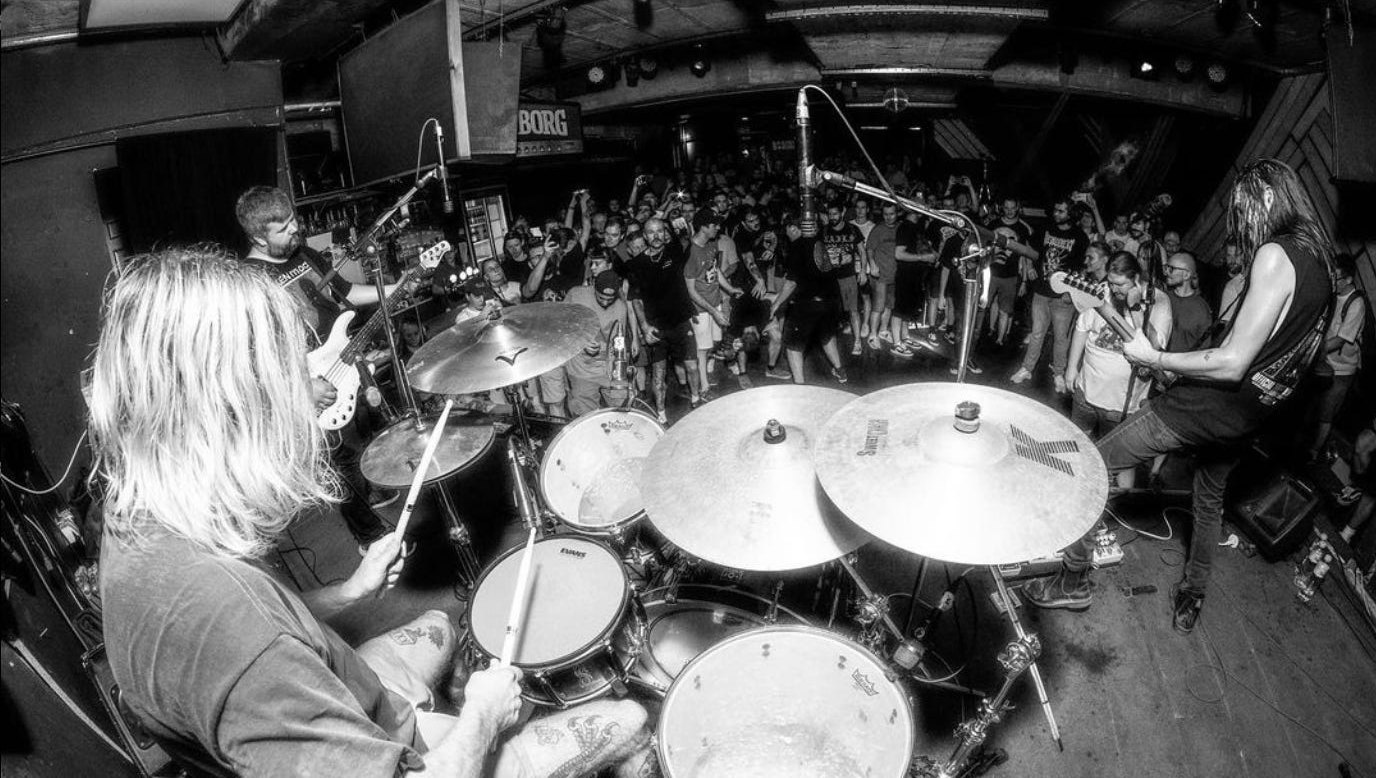
Q Any highlights from your tour life in general, like the most crazy fucked up shit story or maybe some story that you love on like in the van every time you remember it?
Lowell: There was a time when we were not at a level when you’re in hotels, and we’re still at the point where we still will stay with people often here and there. And there was one time where we stayed with somebody who was playing trumpet for the whole night, she was very intoxicated.
Nik: Yeah, she was really drunk.
Lowell: She was very sweet.
Nik: But I kept DJing. I was like, oh, play along to this song. And I’d play a classic song everybody would know in the States and she would be playing along to it in the totally wrong key.
Lowell: And she could not play a trumpet, she just had it. It went for hours.
Nik: I have a lot of footage of the night just because it was funny. Yeah, I kept going a little longer than everybody else. Everyone else was trying to sleep and she was just playing trumpet. It was until six in the morning and we had to wake up. And there was the time we got rear ended at the border crossing in Canada.
Lowell: Yeah. Your borders, you can walk in. You can’t do that [in the USA], though. You get arrested if you step outside of your car. So we got a car hit us and we were just like, well, we can’t do anything we just have to stay in the car. So that was kind of crazy. We had our van stolen once. It was in Chicago after we loaded out for the show. But before we played, the van was stolen, so we had to call a friend an hour and a half away to pick us up and drive us home with our gear.
Nik: But that particular van actually was stolen twice. We did get it back after that. And then we had it for like a year or two. And then It got stolen outside of Lowell’s house. And now we don’t know where it is. It is now gone. We loved it dearly. And it was stolen twice. And it’s never going to come back.
Lowell: We played a house party once. We got double booked at this venue. And so we went to play this house party and there were a lot of people that were not there for the music, were there just to drink. One guy was flirting with another person’s sister. And then like there were guns that got brought out. So that was the whole thing. So we had to run back to our van and we were just like, OK, we’re just going to hang out over here.
Nik: One of our first tours, we played a basement for the other band we were touring with and the sound guy. And that was it. And the sound guy walked out.
Lowell: Yeah, that was the same tour. Yeah, that tour was bad. But yeah, I mean, it’s also very fun. There’s like so much crazy shit we could talk about.
What’s funny is those are two bad experiences on that tour. But honestly, one of my favorite experiences of tour was the show in between that or the day off in between because we went camping in a national park and it was so beautiful and it was nice to be in nature, sleep in a tent and just kind of hang out in a park.
So that’s how the tour is. It’s ups and downs like you experience things that you’ll never forget for good reasons and things you’ll never forget for very bad reasons and all at once.
Q I always thought that one of the most important social roles of DIY-touring is that a lot of people who could not afford to see the world without the tour could do it. But it looks like less and less people can afford to tour.
Lowell: It’s sort of a split thing. We’ve been working jobs. It’s always good to have some sort of backup just because in this day and age and especially playing the music that we’re playing, it’s hard because people don’t have much money. The music industry has been constantly changing even from when we were kids but even before that and moving away from artists being compensated properly. So it is hard. Right now we all kind of work part time. It’s sort of 50/50. We’re on the road 50 percent of the time. We’re back home working 50 percent of the time. We haven’t had to put our own money into the band for several years now. So everything is self-sustaining with Frail Body. And that’s a level that a lot of bands in the States don’t ever see. So we’re very lucky.
I’m very proud of us for being able to make something that does actually have a very important meaning for other people.
Q What comes after the responsibility of being signed, having a record deal and legal obligations?
Nik: We just want to play well, perform well and entertain whoever’s there for us you know. I personally don’t think we got more serious but I think it maybe helped us realize that it’s something we could take.
Lowell: We always took it seriously and we always tried our best to have a professional mindset, but we are weird punks that started in basements. And so signing a record deal is not something that you necessarily set out to do. I think we’ve always had a serious and a professional mindset and I think that’s why Deathwish was initially interested in us working with them and kind of understanding that being a professional band that is signed to a label definitely helped us understand who we are.
Q How did you end up working with Pete Grossman? Besides the fact that you adore Sunbather.
Lowell: My other band Crowning has worked with Pete for every release that we’ve ever done so I had experience working with him for a year or two. Our first record “A Brief Memoriam” was recorded by our friend Zach Farrar who is actually the guitarist of meth. as well and we enjoyed working with him. We wanted to try to work at Bricktop Studios. That was really the goal when we were going to cut a new record and we knew that we were going to move on to something else. I’ve recorded at Bricktop and I’ve recorded with Pete. He is the “try everything” sort of guy, whatever needs to happen to make the song sound the way that we want it to sound, he’s just very good at doing the big blown out sounds and he’s very much alike, you can try all the gear that you want. He doesn’t treat bands like assembly lines and he is a very good person.
Q Can you describe why Frail Body should even exist as a band?
Lowell: The subject matter of the band’s dealing with loss and whatnot was something that I think was very necessary for us all to deal with the the things that we’ve had in life happen over the past several years. And now at this point other people have responded to that and it really does make us feel like we’re not just another heavy band that’s writing music about fucked up things or sad things. There’s some real heart to what we’re writing about. I think, unfortunately, in this day and age… I don’t want to down talk a lot of other bands in the industry and what not but sometimes it’s really hard. I was asked this question sort of in a similar fashion by somebody a few days ago and it’s basically just like you said, looking at a band and thinking “why are you a band, why does your music mean anything besides being riffs like does it even need to be anything, does that justify art?”
That is an eternal question, but I’m very proud of us for being able to make something that does actually have a very important meaning for other people and that solidifies this as something that’s special for us to do and special for other people.
And also we’re a band that still plays real amps, plugs our pedals and does the thing the way that has always been, we warmed up on the soundcheck with fucking Led Zeppelin just now. I think it’s important for us to exist because we’re doing rock music kind of the way that it originally was, we don’t really use a backing track, this isn’t shade because our other band Bleach Cross actually does use backing tracks, but Frail doesn’t do that. Everything that you hear is actually being done like we’re very much about being an honest genuine band, that kind of means that we need to exist.
You can listen to someone play a song and tell not exactly what they’re going through but exactly how they’re feeling.
Q Are you a band that united by message in your music and then doing music out of that or is that like a collective of people doing riffs and then you’re deploying your philosophy and lyrical themes in the band?
Nik: The music comes first then we can write lyrics around that right, we try to come up with something that sounds cool and heavy and good lyrics come.
Lowell: We were having fun and doing things like that and then the lyrics came along. Our first song ever was “January”. “January” talks about my grandpa passing away, but loss has been a constant throughout the whole thing. My mother passed away during the course of the band and a lot of the lyrics that would be written afterwards obviously have a much deeper meaning. I guess it kind of was friends coming together making riffs and having fun and then slowly the riffs took on like much more of a meaning for all of us personally and then going and playing them has given it a meaning to everybody else.
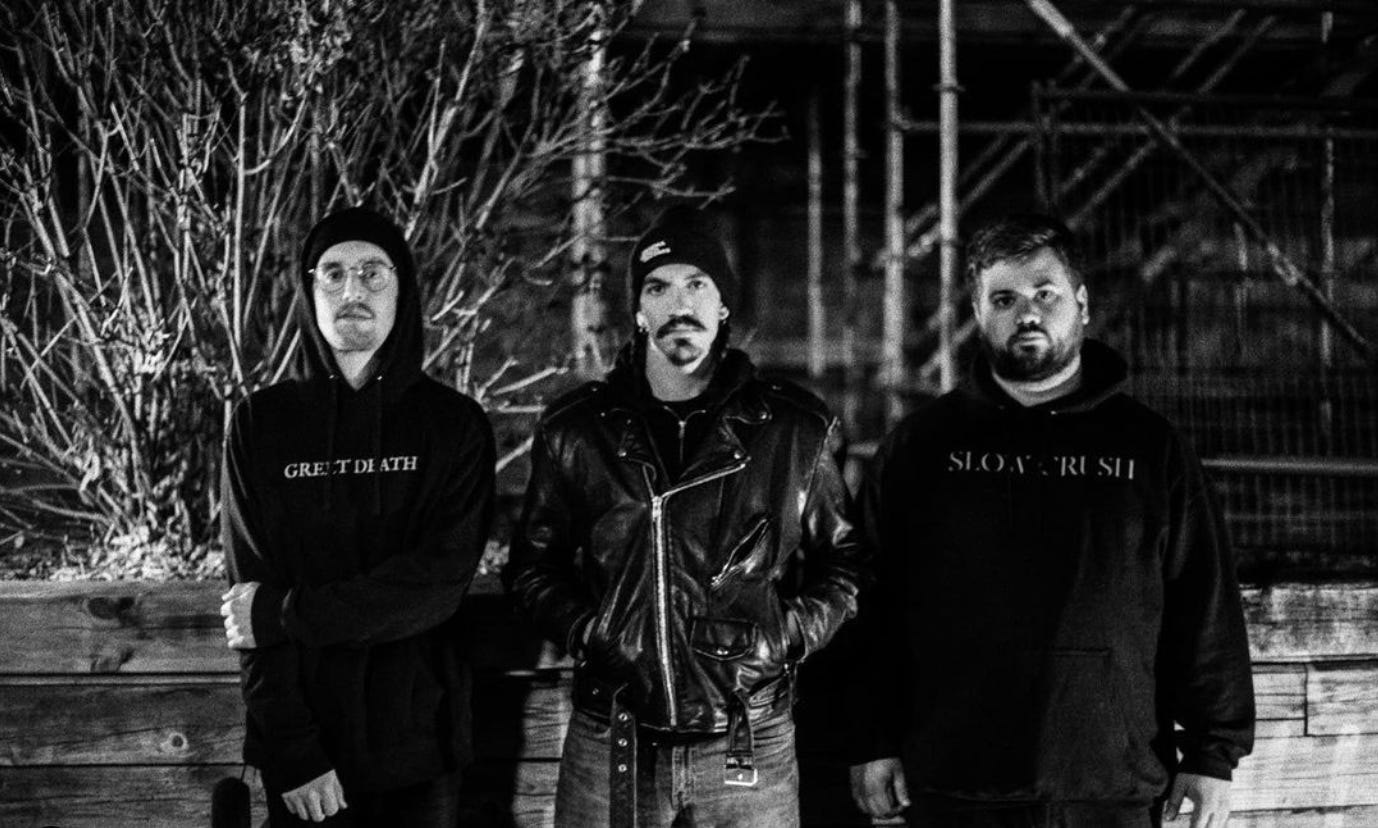
Q Why are you doing music to process your experience and not alcohol or sailing?
Nik: I started playing music when I was pretty young. I feel like it’s just easier to express whatever emotion I might be feeling through those sound waves as opposed to actually talking about those. You can listen to someone play a song and tell not exactly what they’re going through but exactly how they’re feeling.
Q The beginning of Artificial Bouquet sounds very intense and I can imagine how it feels to start a set with those songs. Do you ever write with the intention of the drama of the live show?
Lowell: We sort of did write our Artificial Bouquet like a live set.
Nik: I don’t think we ever sat down and had a conversation. We don’t really like talking between songs because it can feel awkward and I guess we just recorded the record that way too because we were able to take a lot of time with this record and write interludes and transitions from song to song, we were able to make a lot with this record than than some of our other stuff so I think it kind of just happened naturally.
Lowell: We definitely knew that we wanted to show like we can do fast blast speed stuff, but very chill post-rocky stuff and we can bring dynamics down. That’s really our biggest we’re the most proud of is that dynamics between speed and tempo and volume is something that we try to really incorporate as much as possible. Sort of yes, sort of no almost I guess, we wanted to show that we can be accurate and play those songs very well just as good as our fast blast speedy stuff. I think that showcases our dynamics and our range as musicians so I guess less of a thought for the live set and more of a thought of like look what we can do.
Q Exploring records stores on tours?
Lowell: Two of us are very much vinyl geeks
Nik: Not so much in Europe just because it’s annoying to fly back with records yeah so we have in the States
Q Some of the gems that you found like or just weird stuff or like interesting accidents collecting vinyl?
Nik: I found a copy of Joni Mitchell’s “Hejira” on our first tour which is one of my favourite records ever, also sometimes we get to tour with bands and they’ll give you the record before it comes out. We got the State Faults record that came out just two days and we got it a week before.. We stayed with our our US booking agent last week and he gave me a copy of a record by this band called “Dionaea” which is a band with like 200 Spotify listeners probably but they’re fucking incredible, and I’ve loved that band for like a decade and he just happened to have an extra copy of their LP.
Lowell: I found a special edition copy of “King of Limbs”, I love that record. That was very cool, found in a local record store that I think was sold used, comes with like a newspaper that was done, all these fake acid tabs things, like a package thing. I was pretty proud that I found a Walter Wanderley record in a world music section of Amoeba Records, it was three bucks or something and it was an original press and those are actually pretty sought after. Walter Wanderley is a brazilian organist who is very, very famous and a lot of his music got used for like indie indie films in America and things like that. He has a weird underground listenership with vinyl nerds and music nerds, so that was a real treat to find that record and not have to pay a hundred dollars for it. We could talk about records for a long time
Q Any recommendations for vinyl listeners of your last release ?
Nik: Wait until your parents are about to go to bed and just fucking blast it.
Lowell: It’s meant to be listened loud and blown, push your speakers, that’s how it’s supposed to be, listen with as many people as you want, listen by yourself if you’re really having a hard time and you just need to sit in the record put on some headphones, turn off all the lights and just close your eyes.
“Artificial Bouquet” is out 3/29/24 on Deathwish Inc.
More interviews
-
Loud Music Studies
“The Rock and Roll Loop”: an interview with Yellow Eyes
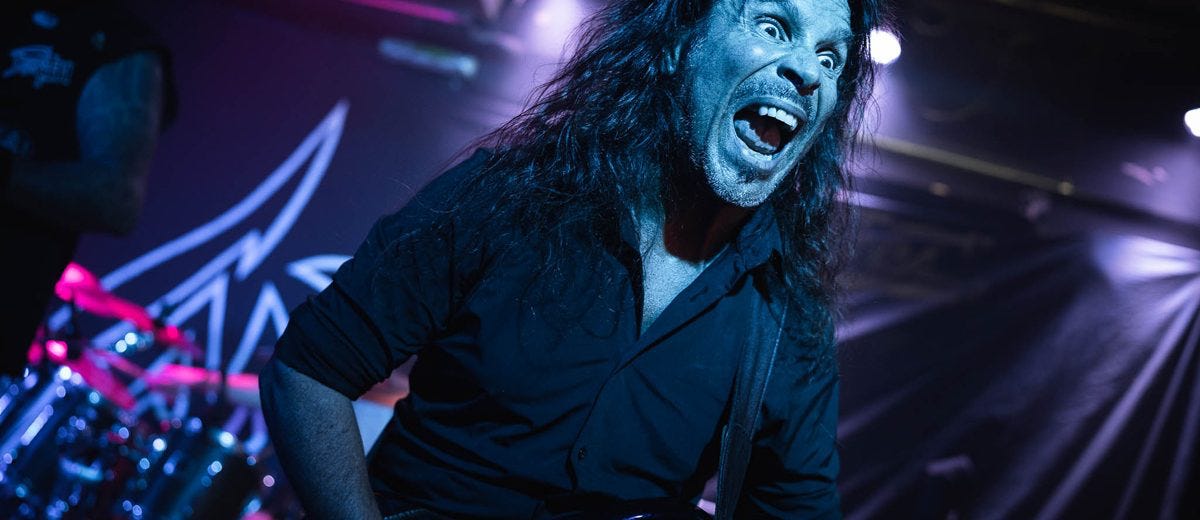
If you’ve been to a gig, on stage or in the crowd, you know time and space get weird there. Yellow Eyes, a black metal outfit from New York (though that’s only part of the story), are very good at making it happen. Magic contradicts itself, and so does their show. Four people of flesh and bone get on stage and try to say what can’t be said, and at some point a gate opens.
-
Nekroskop Booking
“Don’t try to follow new trends”: an interview with Sadist
Sadist is a band that has stood the test of time, evolving yet remaining deeply rooted in their progressive, technical death metal origins. Hailing from Italy, they’ve been creating complex and heavy music for over three decades. In this interview, we sit down with the composer and guitarist Tommy Talamanca to explore his thoughts on staying true to the band’s identity in an ever-changing music landscape, his views on modern metal production, and how they balance technology with authenticity. We also discuss their creative process, the challenges of writing new material, and the insights into the current state of the metal scene.
-
Guiding Light CollectiveRUS
«Абсолютно тот же самый советский DIY»: интервью с Supruga
Уже шесть лет самарские угольные хардкорщики Supruga гремят на афишах разных городов и стран. Пожалуй, практически каждый эстет отечественной темной музыки был заинтересован работами «Хаос» и «Никто не в безопасности», или отмечал присутствие столь экстремальной команды на фестивалях и шоукейсах «Боль», «Awaz» и «Moscow Music Week». За ширмой этой хардкор-машины, облюбованной интеллектуальными журналами и подпольными деятелями, стоит коллектив из четырех друзей, особо ревнующих свою музыку к воле случая.